
Family Life
Raising Kind Kids: Six Small Habits That Actually Stick
Kindness is not a personality trait you get lucky with. It's a practice — and it's built almost entirely out of things your child watches you do.
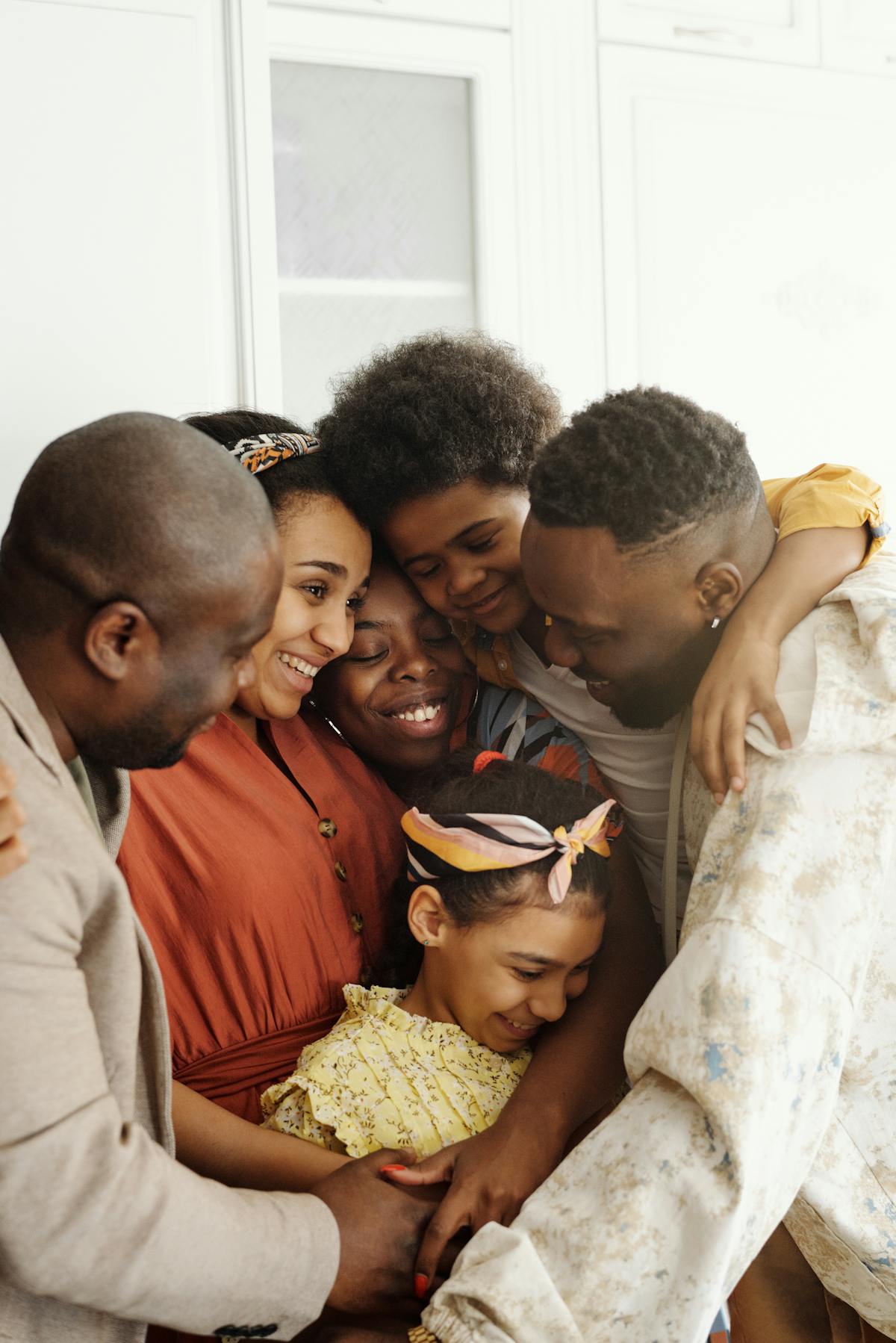
Ask parents what they most want for their children and "kind" comes near the top of nearly every list. Ask children what they think their parents most want, and a striking number say achievement — good grades, success, winning. That gap, documented in surveys of thousands of families, is the whole problem.
Children work out what you value from what you notice. Kindness has to be noticed out loud.
1. Name it when you see it
Not "good boy." Describe the act and its effect: "You noticed she didn't have anyone to sit with, and you moved. That would have made her whole afternoon better." Specific, behavioural praise builds an identity — I am the sort of person who notices — in a way that generic praise never does.
2. Let them see you be kind to people who cannot repay you
Children are excellent hypocrisy detectors. They notice if you are charming to your boss and short with the person at the till. Kindness that is performed for status is not kindness, and they can tell. Speak to a waiter properly. Let someone into your lane. Do it when you think nobody is watching, because someone is, from the back seat.
3. Give them a real job that helps someone real
Abstract kindness is weightless. Concrete kindness has traction: carrying a neighbour's shopping, walking a dog for someone who has broken an arm, sorting through their own toys to give away — and letting them choose, even if they choose badly. A child who has actually helped a real person has felt what it does, and that feeling is the whole engine.
4. Widen the circle, deliberately
Almost every child is kind to their own friends. The developmental leap is being kind to people outside the group — the new child, the unpopular one, the one who is difficult. That leap has to be prompted. "Who at school doesn't have many friends? What do you think that's like?" It is an uncomfortable question, and it is the one that matters.
5. Teach repair, not just apology
A forced "sorry" teaches a child the magic word that ends a conversation. Repair teaches responsibility. Ask three questions: What happened? Who was affected? What will you do to make it better? The third one is where the learning is. Re-build the tower. Write the note. Give up the toy for the afternoon.
6. Let them see you get it wrong
This is the one that does the most work and the one adults resist hardest. When you snap, apologise properly — to the child, out loud, without excuses. "I shouted. That wasn't fair to you, and it wasn't about you. I'm sorry."
You have just modelled something they cannot learn from a book: that good people do harm sometimes, and that the response is to own it and repair it. A child who has watched a parent do that is far more likely to be able to do it themselves at thirty, in a marriage, at work, when it is genuinely hard.